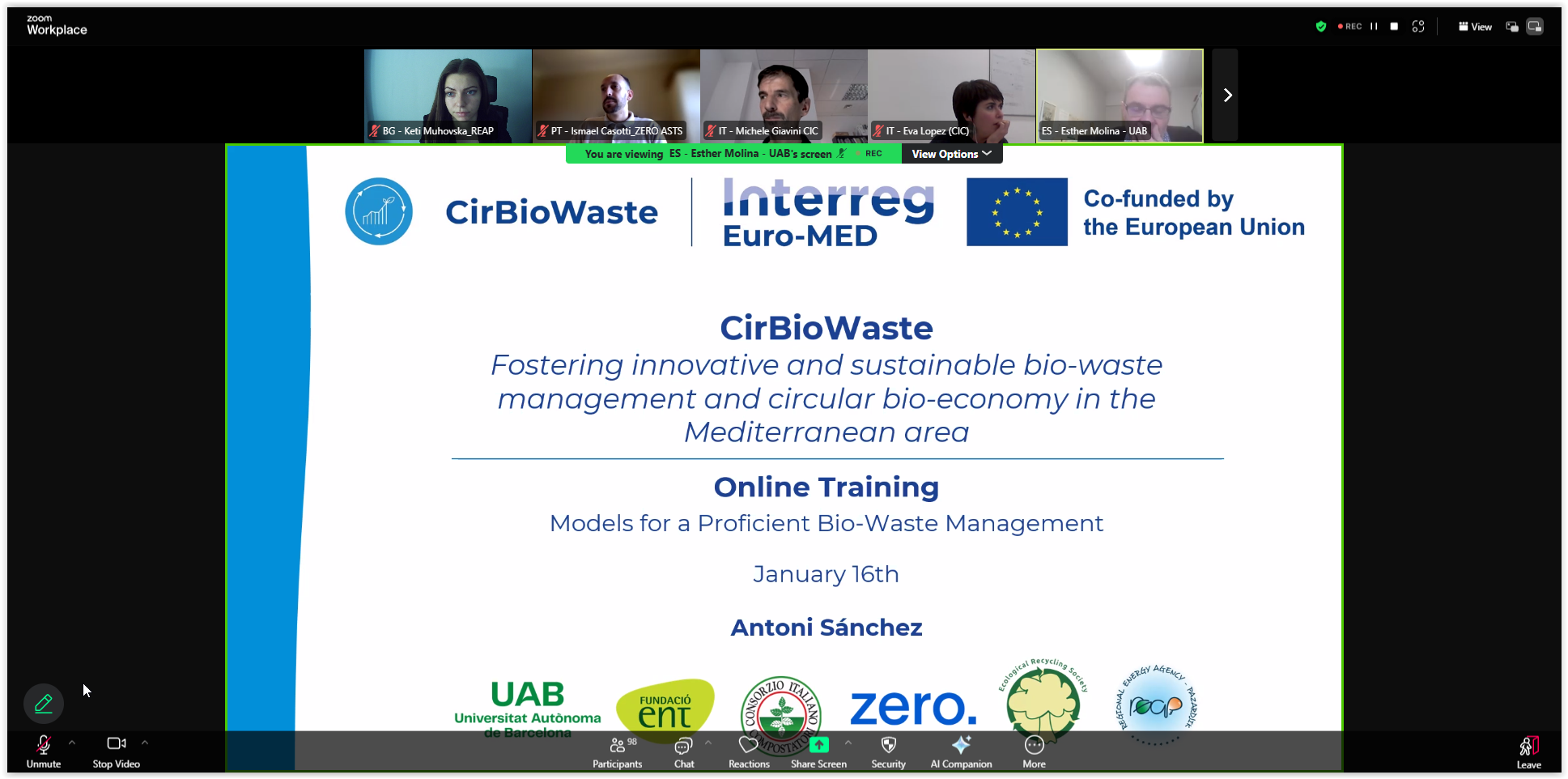

The First Online Training: “Models for an Efficient Bio-Waste Management at EU and Local Level”, within the frame of the CirBioWaste project (Fostering innovative and sustainable bio-waste management and circular bio-economy in the Mediterranean area), co-funded by the Interreg Euro-MED Programme, was organised on the 16th of January 2026. The event marked the start of the project’s training activities, aimed at sharing knowledge on bio-waste management and supporting the circular bio-economy in the Mediterranean region.
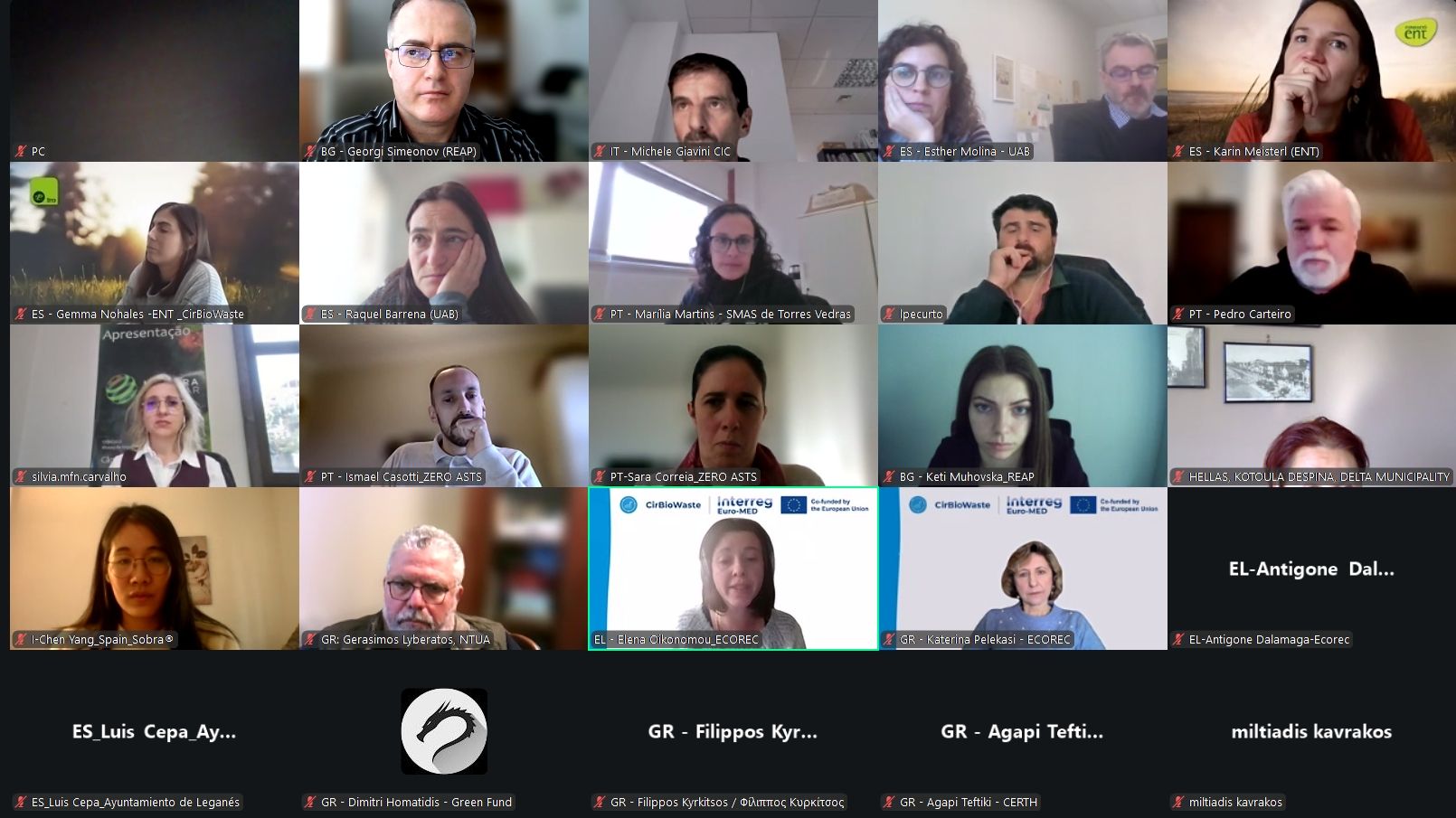
The online meeting gathered more than 100 participants including municipal representatives, waste management professionals, project partners, and key stakeholders from several Mediterranean countries. The training provided a platform for dialogue, knowledge sharing, and the exchange of practical experience related to innovative approaches in bio-waste management.
The event opened with an introduction outlining the objectives of the training and the broader vision of the CirBioWaste project. Participants discussed the growing importance of bio-waste as a valuable resource and its contribution to environmental protection, climate goals, and local circular economy strategies.
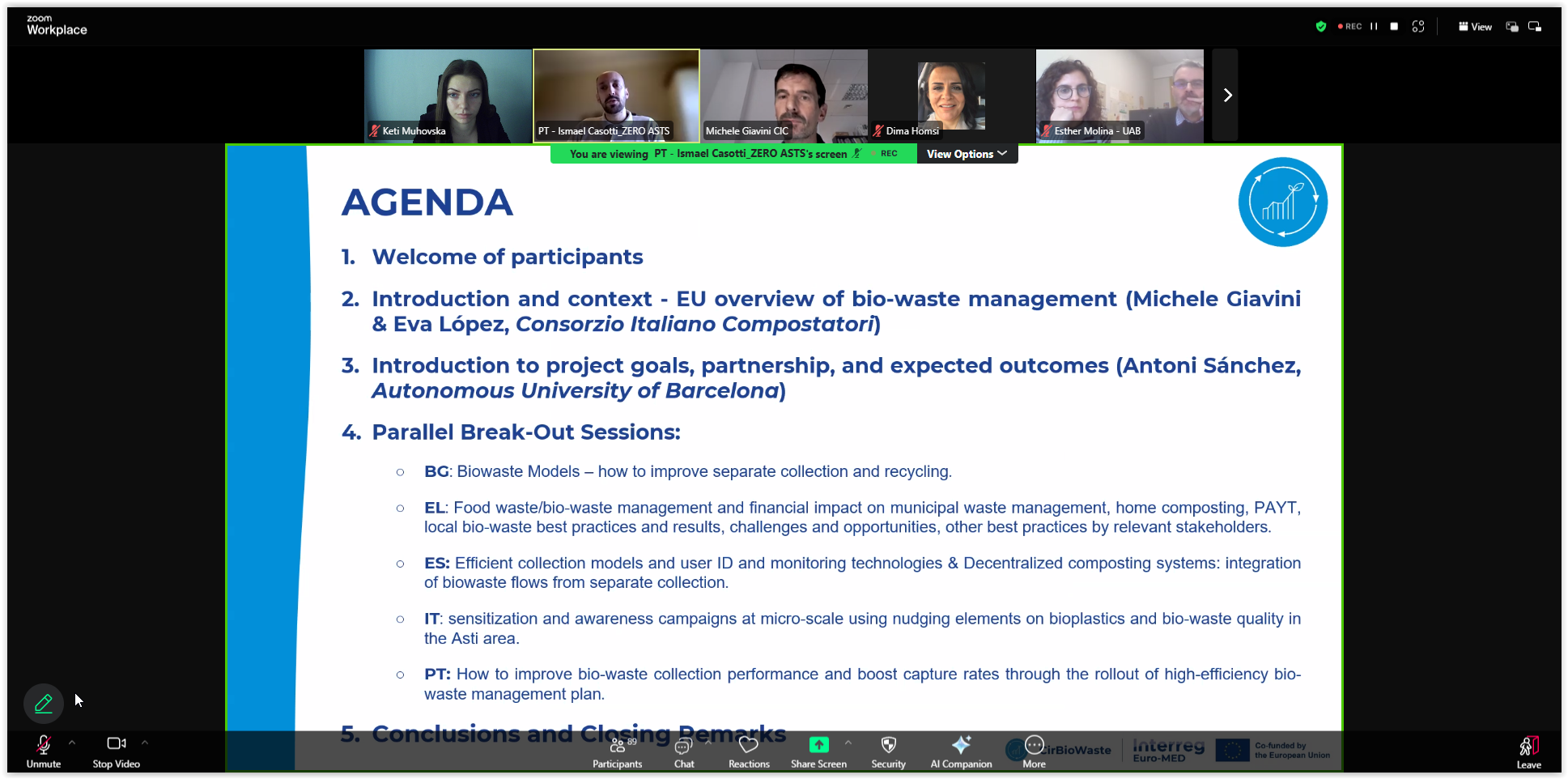
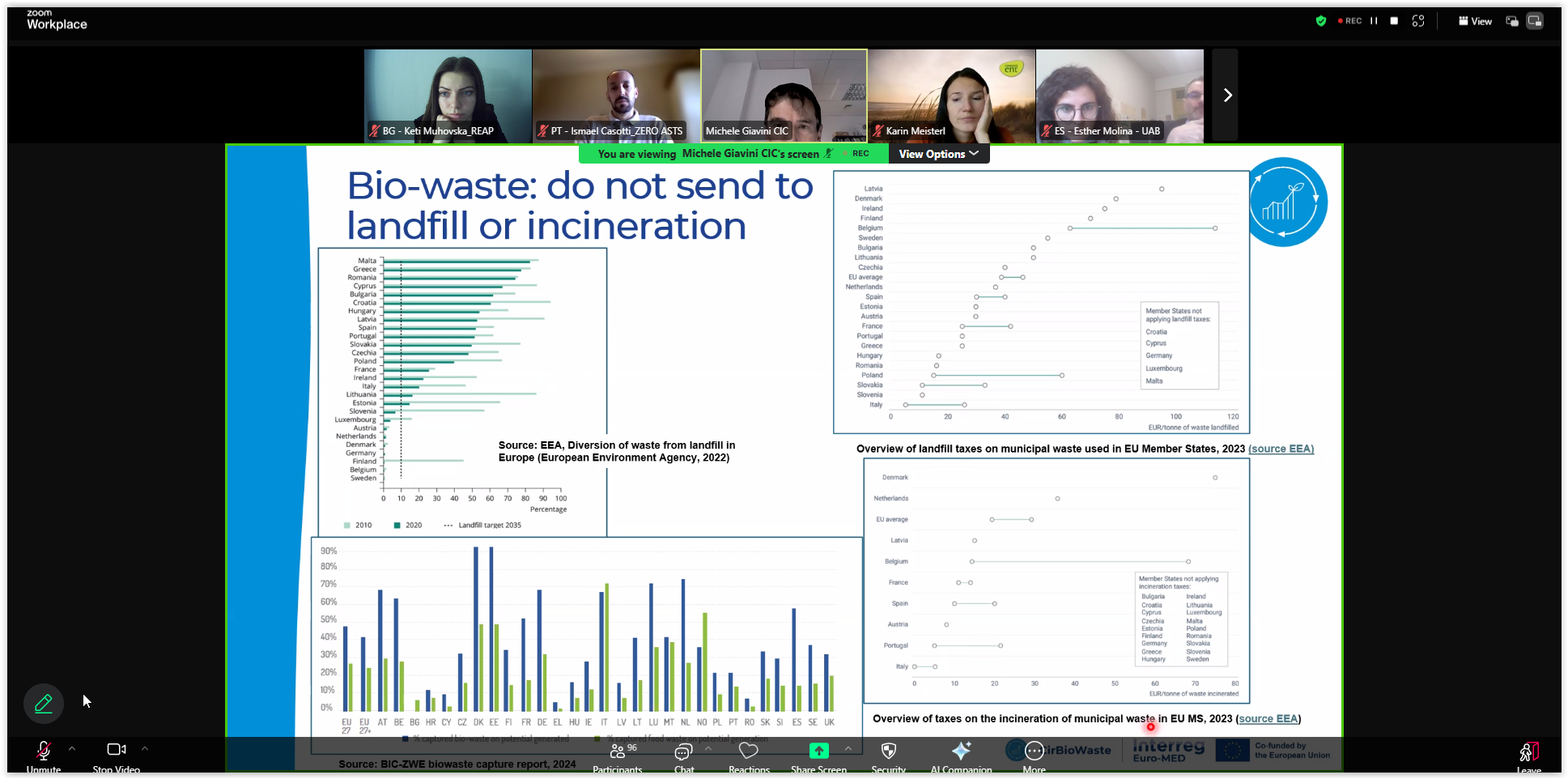
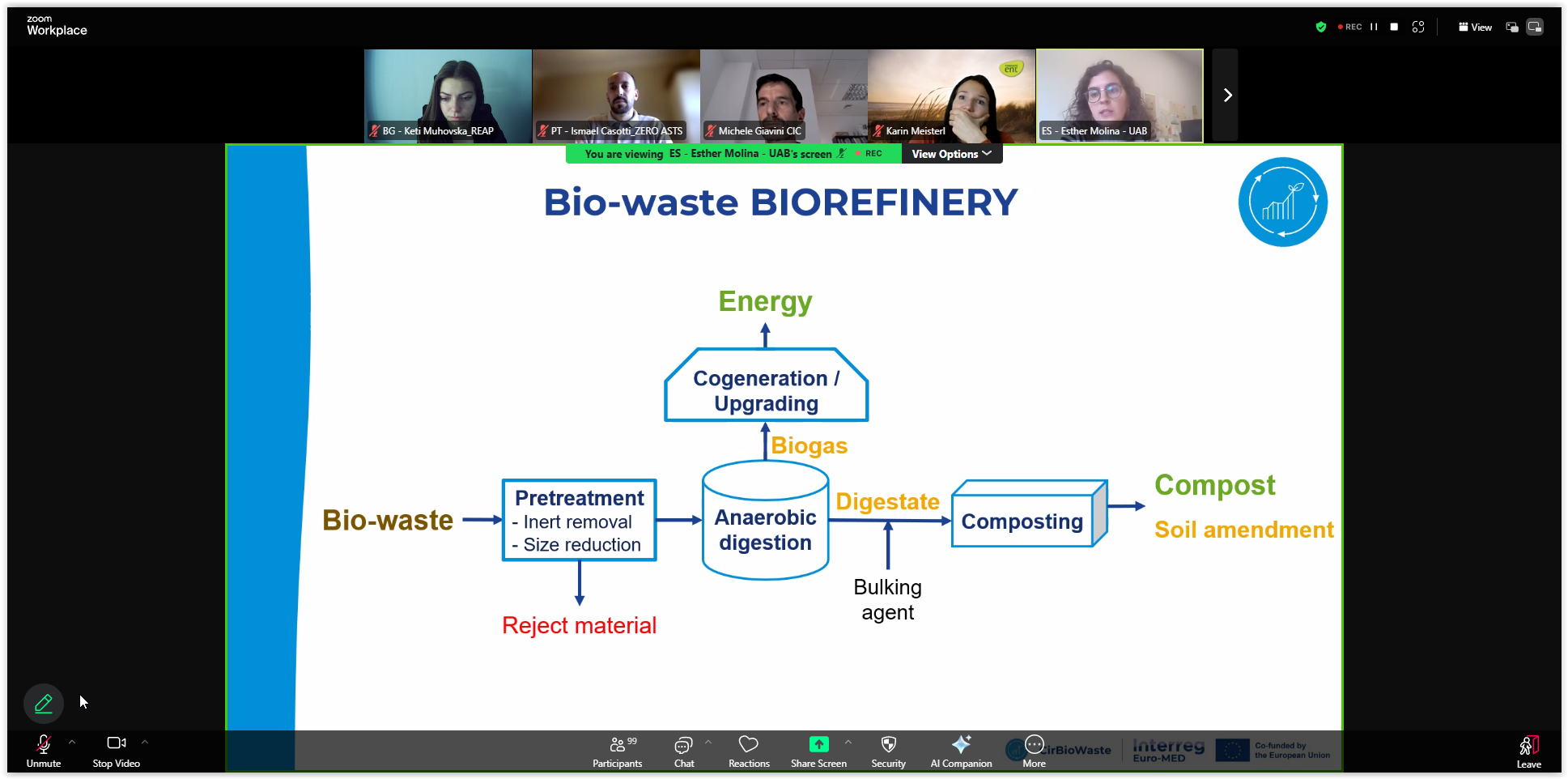
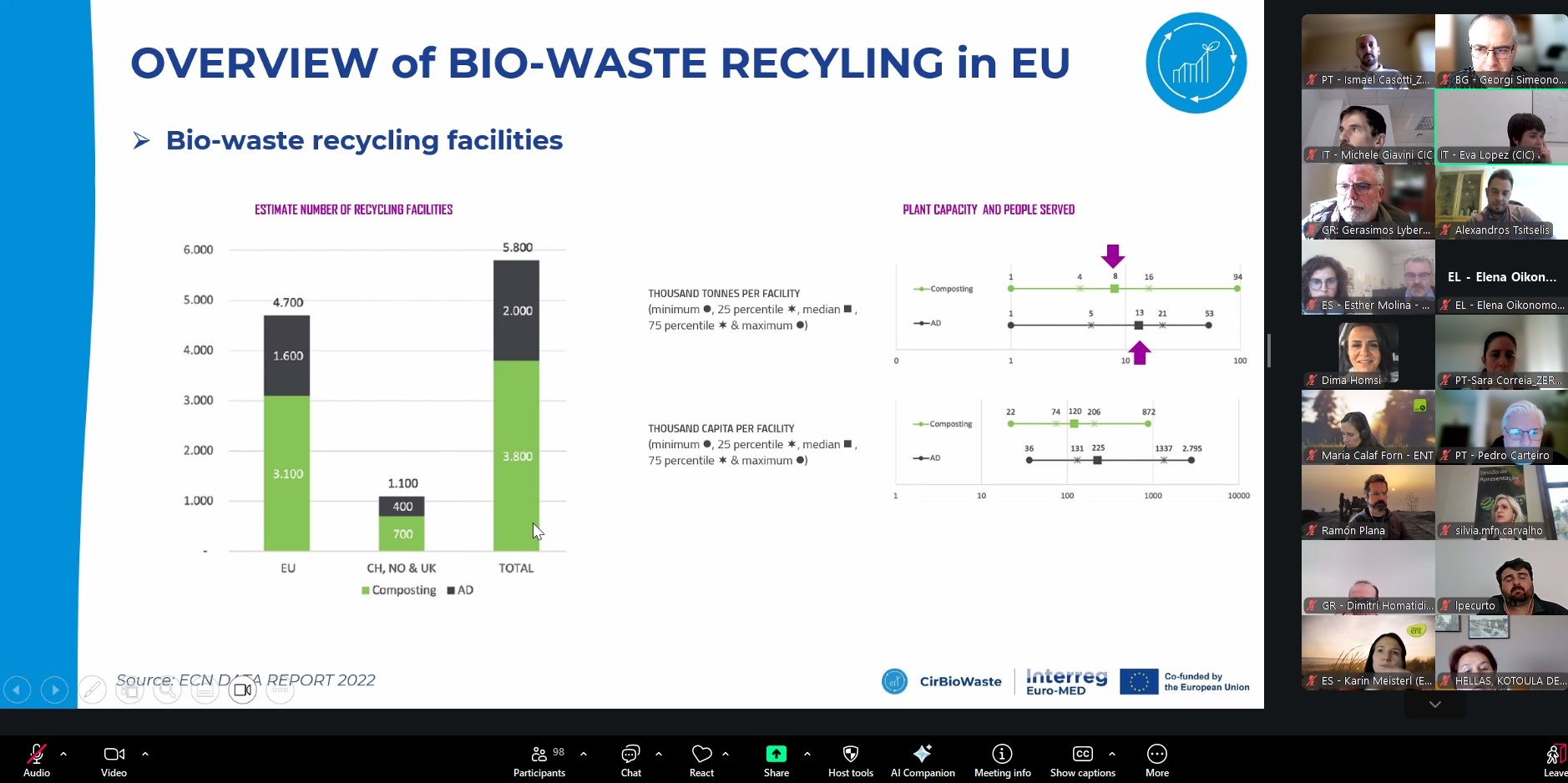
A dedicated session presented the European policy framework for bio-waste management, highlighting current regulations, implementation challenges, and opportunities for improving collection, treatment, and recovery systems across Member States. The session offered participants a clear overview of how EU policies support the transition towards more sustainable waste management models.
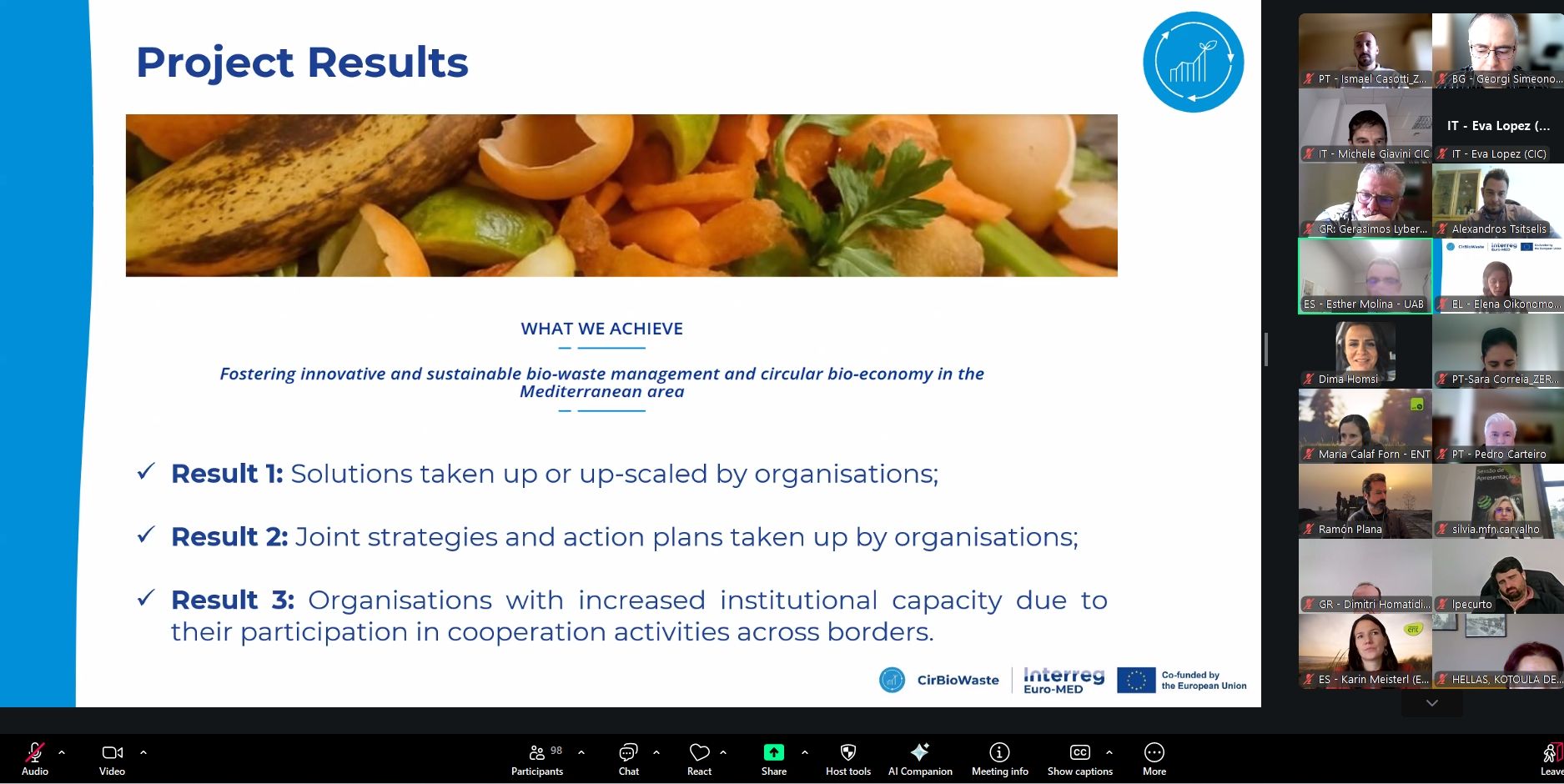
The project CirBioWaste was then introduced in detail, including its partnership structure and expected outcomes. The project focuses on supporting local and regional authorities through innovative tools, pilot actions, and capacity-building activities aimed at improving bio-waste management performance.
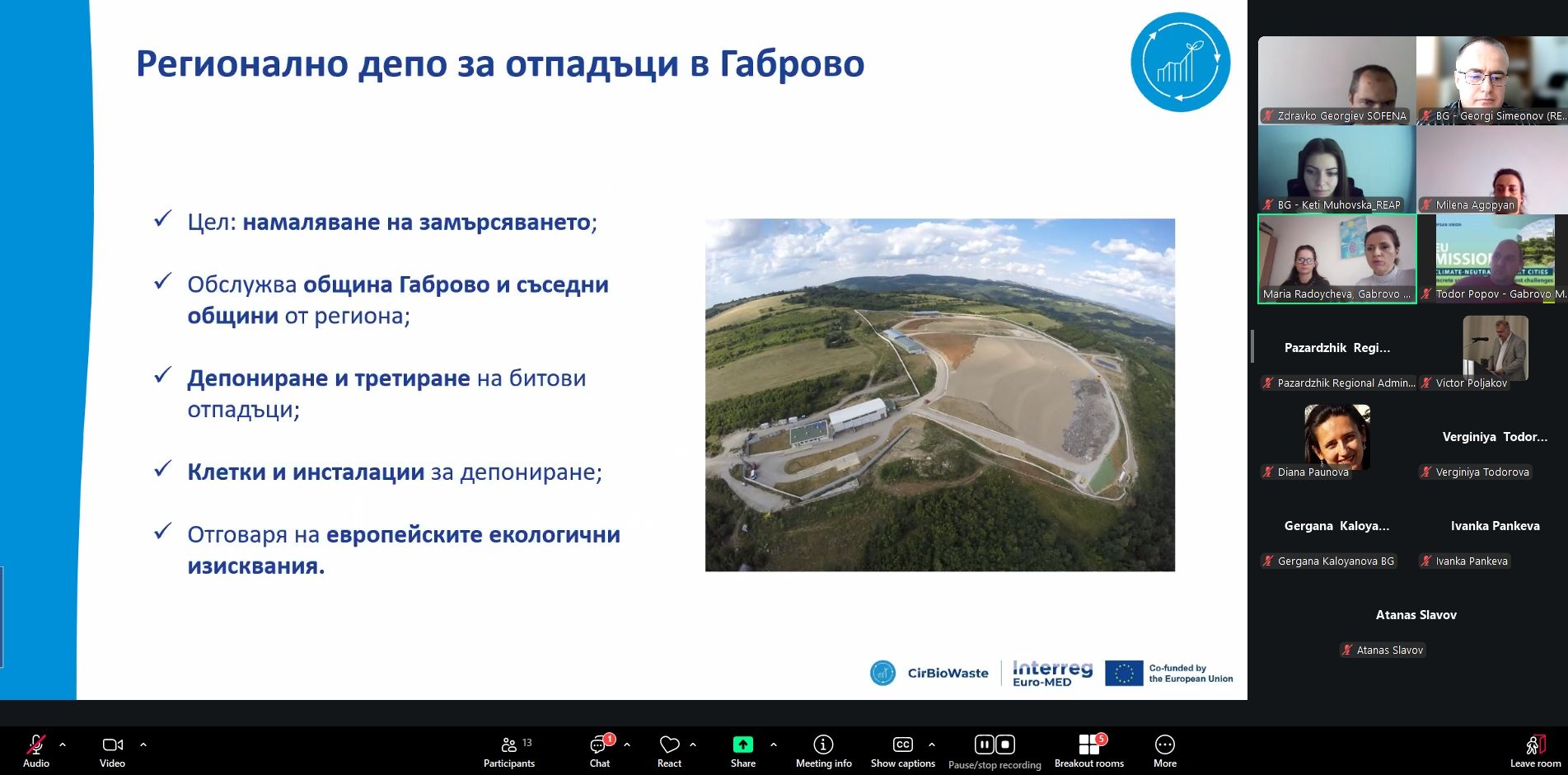
An important part of the training consisted of parallel breakout sessions, organised in the partners’ national languages. These interactive discussions allowed participants to share local perspectives, successful practices, and lessons learned in different territorial contexts.
The Bulgarian session focused on practical solutions such as separate collection systems for garden and green waste, digital tools supporting citizen engagement, incentive-based initiatives, and sustainable circular economy business models.
The Greek session addressed the financial impact of bio-waste management on municipal waste management, as well as local best practices and their experiences.
The Spanish session focused on efficient collection models for bio-waste, user ID and monitoring technologies and the integration of bio-waste flows in decentralised composting systems.
The Italian session discussed awareness campaigns at micro-scale to deep in the impact of bioplastics on bio-waste management.
Finally, the Portuguese session focused on high-efficient management plans to boost capture rates and increase collection figures.
The training concluded with a wrap-up session summarising the main insights and identifying key next steps for the project. Participants highlighted the value of cross-border cooperation and continuous knowledge exchange as essential drivers for improving bio-waste management and advancing circular bio-economy practices across the Mediterranean region.