
AMCAL – Associação de Municípios do Alentejo Central (Association of Municipalities of Central Alentejo) is an association of municipalities in Portugal with a very direct operational role in waste management and, in particular, in the separate collection and recovery of bio-waste. This profile fits the type of target entities (“takers”) that the CirBioWaste project aims to support, through the transfer and adaptation of solutions already tested in other territories (“givers”), with a view to improving the collection and recycling of bio-waste and accelerating the transition to a circular bioeconomy in the Euro-Mediterranean area.
AMCAL’s area of intervention covers five municipalities — Alvito, Cuba, Portel, Viana do Alentejo and Vidigueira — spread across the districts of Beja and Évora, totalling 21 parishes, 22,895 inhabitants and 1,749 km² (about 13 inhabitants/km²), a markedly rural and low-density context. The association was founded in 1991 and it is active in several areas (cartography, sanitation, metrology, tourism and culture), with waste management remaining one of its core activities.
In the field of waste management, AMCAL operates and integrates a set of infrastructures and equipment that support ‘upstream’ management: the Vila Ruiva intermunicipal landfill, the sorting centre for both mixed waste and recyclables park in Vila Ruiva, eco-centres in the five municipalities, transfer stations and a fleet dedicated to collection and transport, complemented by a network of recycling points. This system puts AMCAL in a particularly relevant position to reinforce separation at source and increase bio-waste capture rates, reducing landfill disposal.
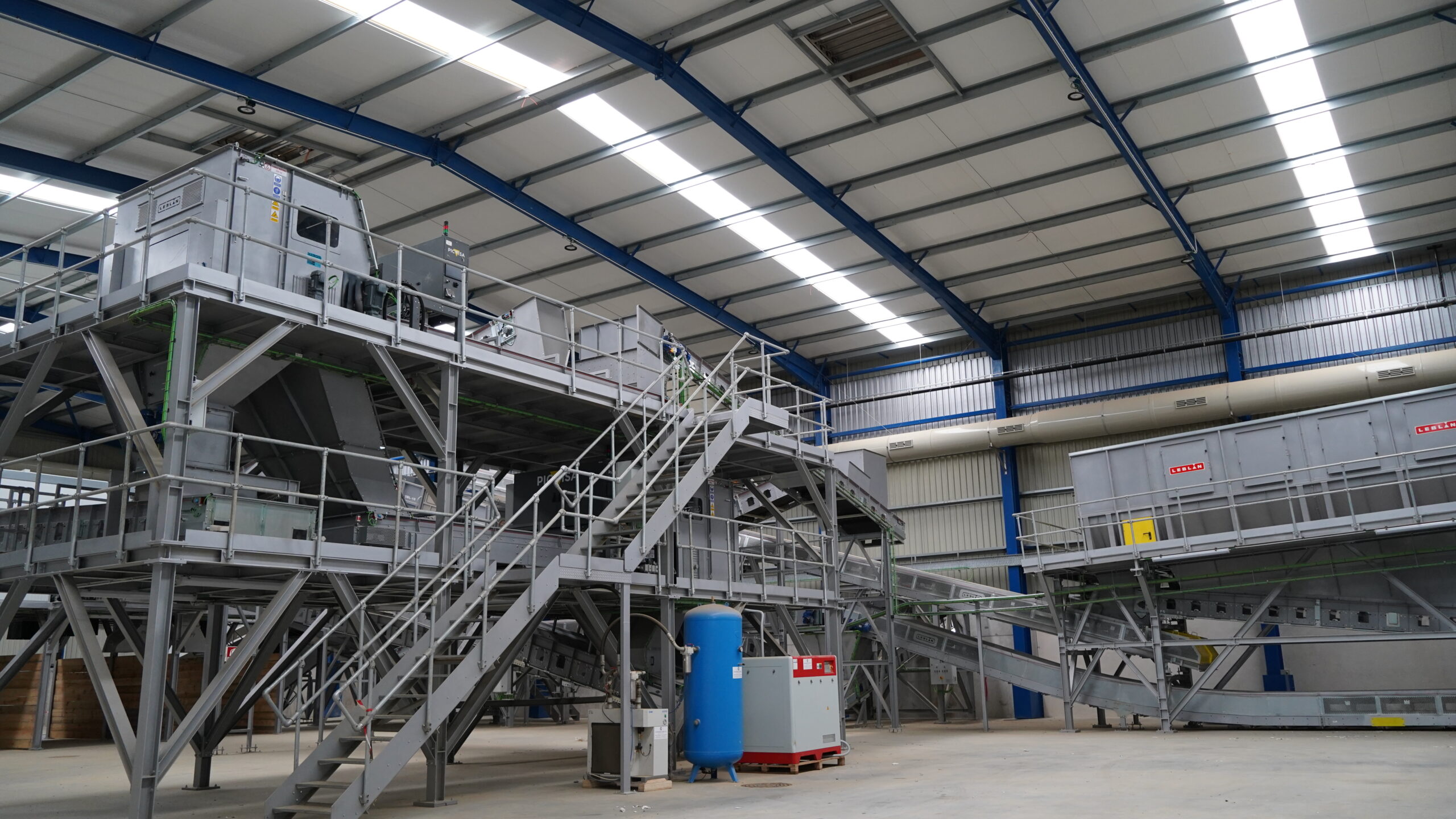
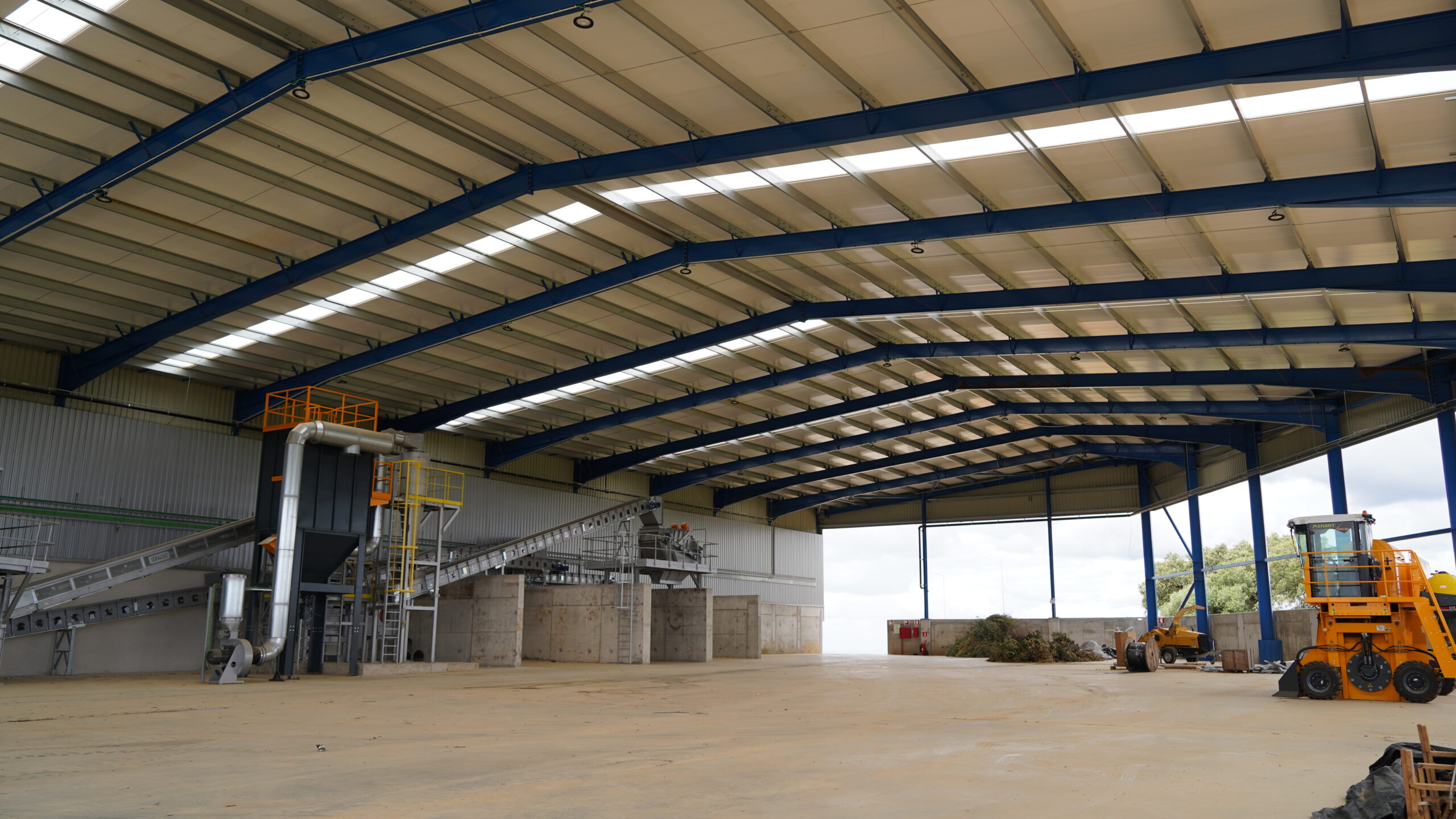
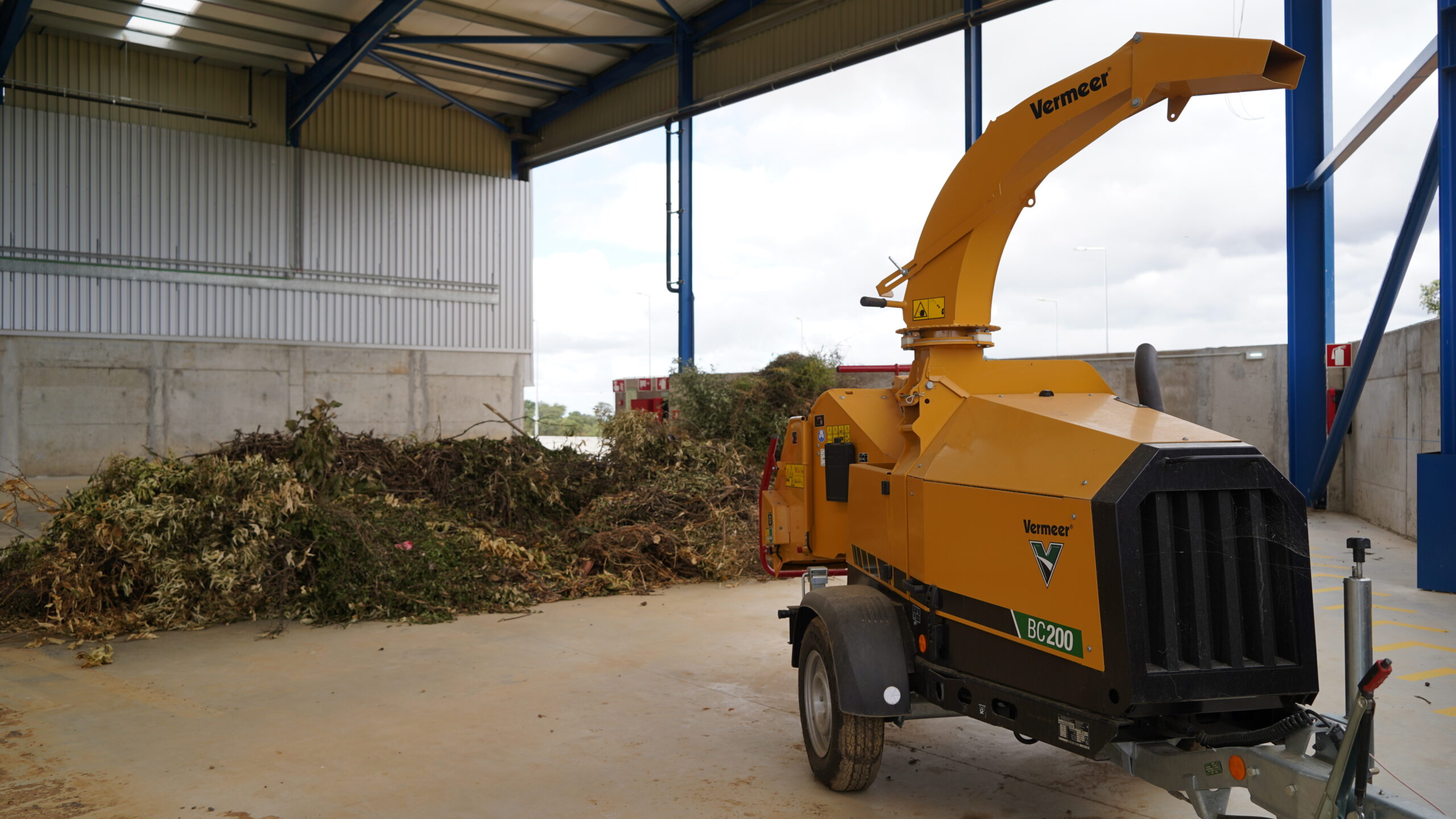
A recent milestone is the opening of Organic Recovery Centre (CVO) dedicated to the stabilisation of bio-waste from mixed waste, as well as to the treatment of upcoming stream of selectively collected door-to-door bio-waste, installed at the Vila Ruiva/Cuba Intermunicipal Landfill. The project was supported by EU funds (POSEUR) and IT was announced with an investment of around €9 million, with an indicated annual capacity of around 10,000 tonnes and an estimated production of 2,500 tonnes/year of compost, receiving bio-waste from the five municipalities of AMCAL.
As a “taker”, AMCAL will benefit from a result-oriented approach: joint diagnosis, design of strategies and action plans, and consolidation of practical tools (including training and awareness-raising) to improve the quality of bio-waste separated at source and the efficiency of the system. By combining local treatment infrastructure with collection measures and community involvement, AMCAL can strengthen local circularity — returning compost to the territory and reducing dependence on landfill — while contributing to demonstrating replicable models in rural areas of the Mediterranean.