
The district of Beja is a predominantly rural area, with low population density and a strong agricultural and agro-industrial sector, where population dispersion and logistical distances tend to make separate collection (including bio-waste) more demanding. This profile, typical of the Mediterranean inland territories, combines structural challenges with clear opportunities: availability of organic matter (domestic, HORECA sector and agricultural activities), space for decentralised solutions and favourable conditions for closing cycles locally (e.g. via composting and use of compost in the territory).
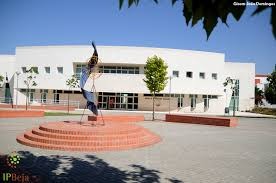
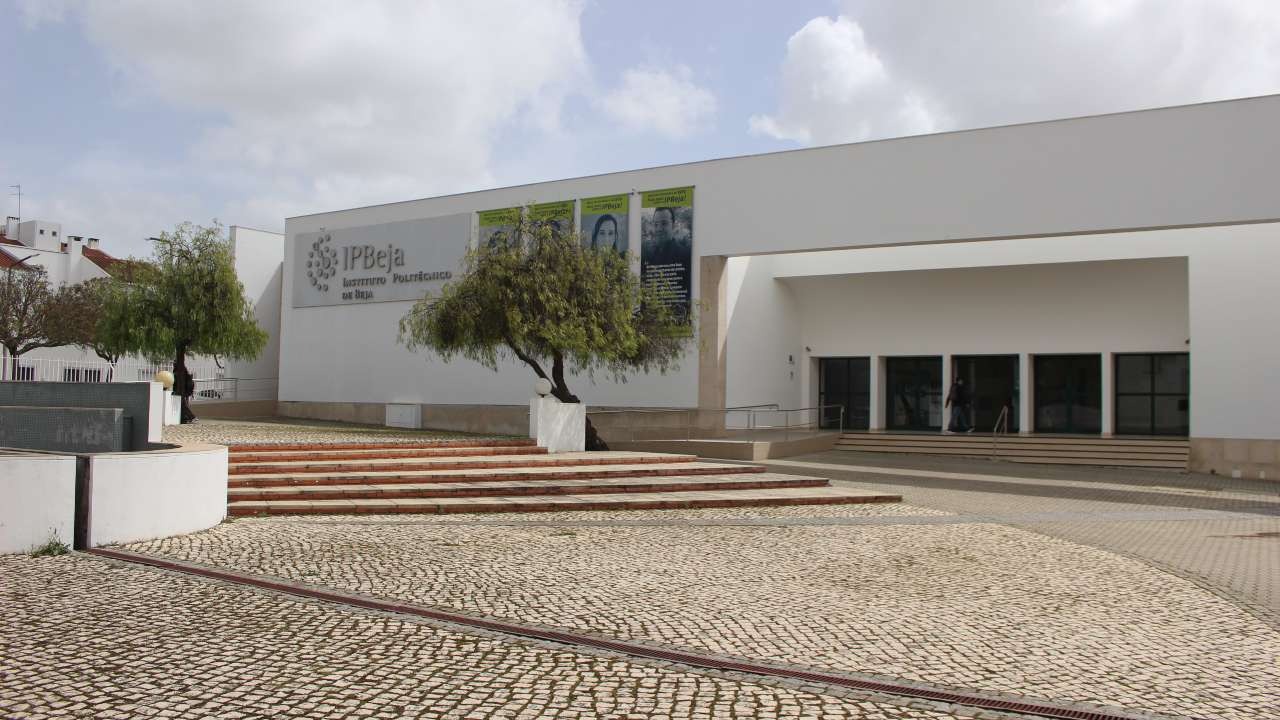
In this ecosystem, IPBeja provides an essential component of knowledge and training. Its institutional mission includes the production and dissemination of knowledge, targeted research and experimental development, with a focus on advanced technical training and connection to the territory — a direct alignment with the need to design, test and scale bio-waste management models appropriate to rural and mixed realities.
From an operational point of view, RESIALENTEJO and AMBILITAL provide the backbone of the urban waste management system in relevant parts of the district, connecting municipal collection to treatment and recovery infrastructure. RESIALENTEJO is responsible for the treatment of urban waste (unsorted and recyclable) from eight municipalities in the Lower Alentejo — Almodôvar, Barrancos, Beja, Castro Verde, Mértola, Moura, Ourique and Serpa — serving 86,505 inhabitants in an area of 6,650 km² (2021 Census). AMBILITAL operates in seven municipalities, including municipalities in the district of Beja (namely Aljustrel, Ferreira do Alentejo and Odemira), serving around 115,435 inhabitants and an area of 6,415 km², and operating a network of infrastructure (waste management centre, transfer stations/eco-centres and eco-centres).
The participation of this “taker” in CirBioWaste creates conditions for accelerating concrete improvements: strengthening separation at source and the quality of the bio-waste collected, optimising logistics (in large, sparsely populated areas), designing communication and community engagement campaigns, and providing technical and scientific support for monitoring and evaluating results. By linking a higher education institution with inter-municipal operators and municipalities, the territory gains the capacity to adapt internationally validated models to its specific characteristics — and to demonstrate solutions that can be replicated in other similar Mediterranean contexts.