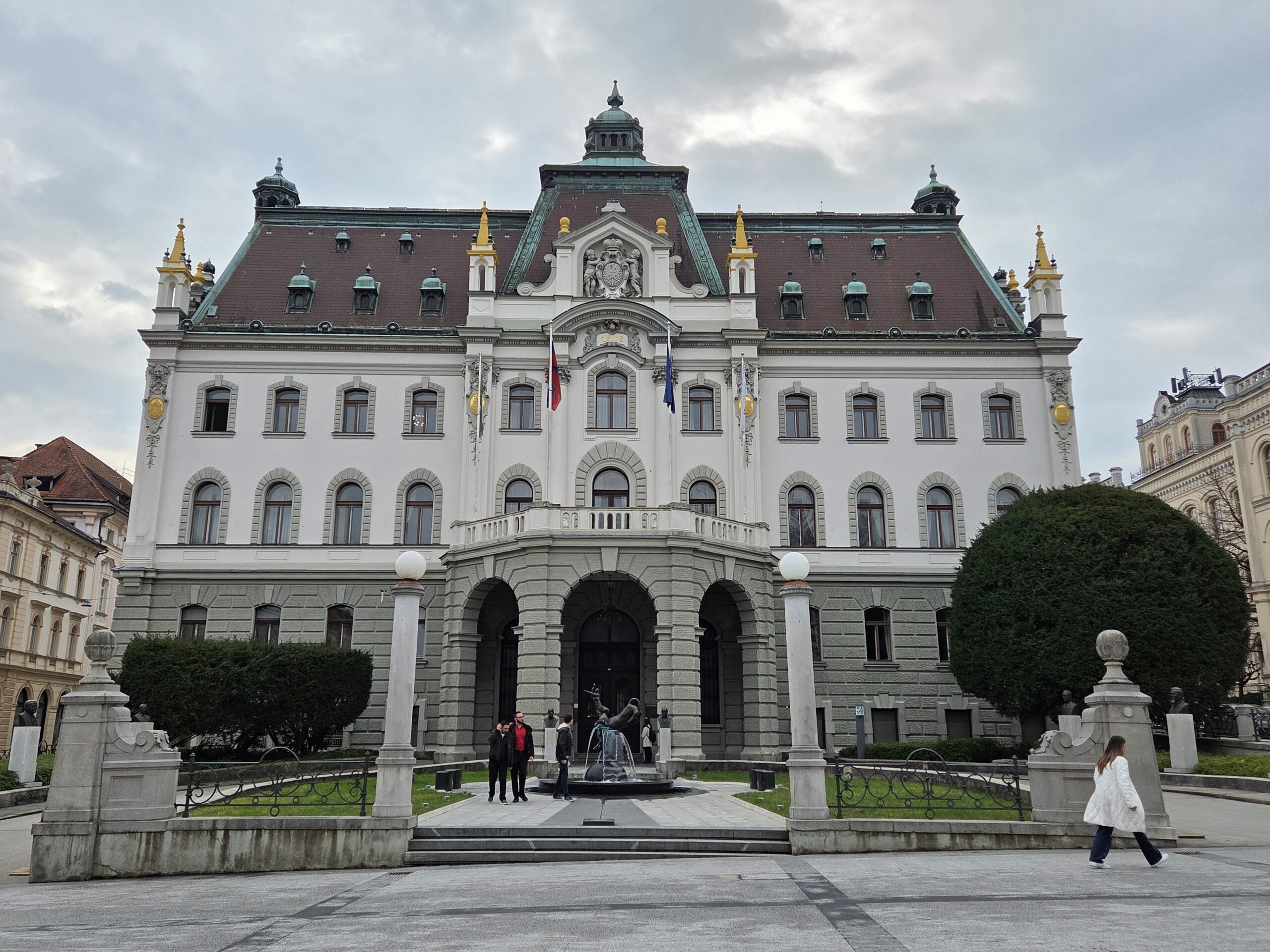

The University of Ljubljana participates in the CirBioWaste project as an Associated organisation within the Interreg Euro-MED Programme. Considering that the main objective of the project is to improve bio-waste management practices, universities represent particularly valuable collaborations, as they shape future professionals and enable the transfer of knowledge and behaviours beyond the campus into society at large.
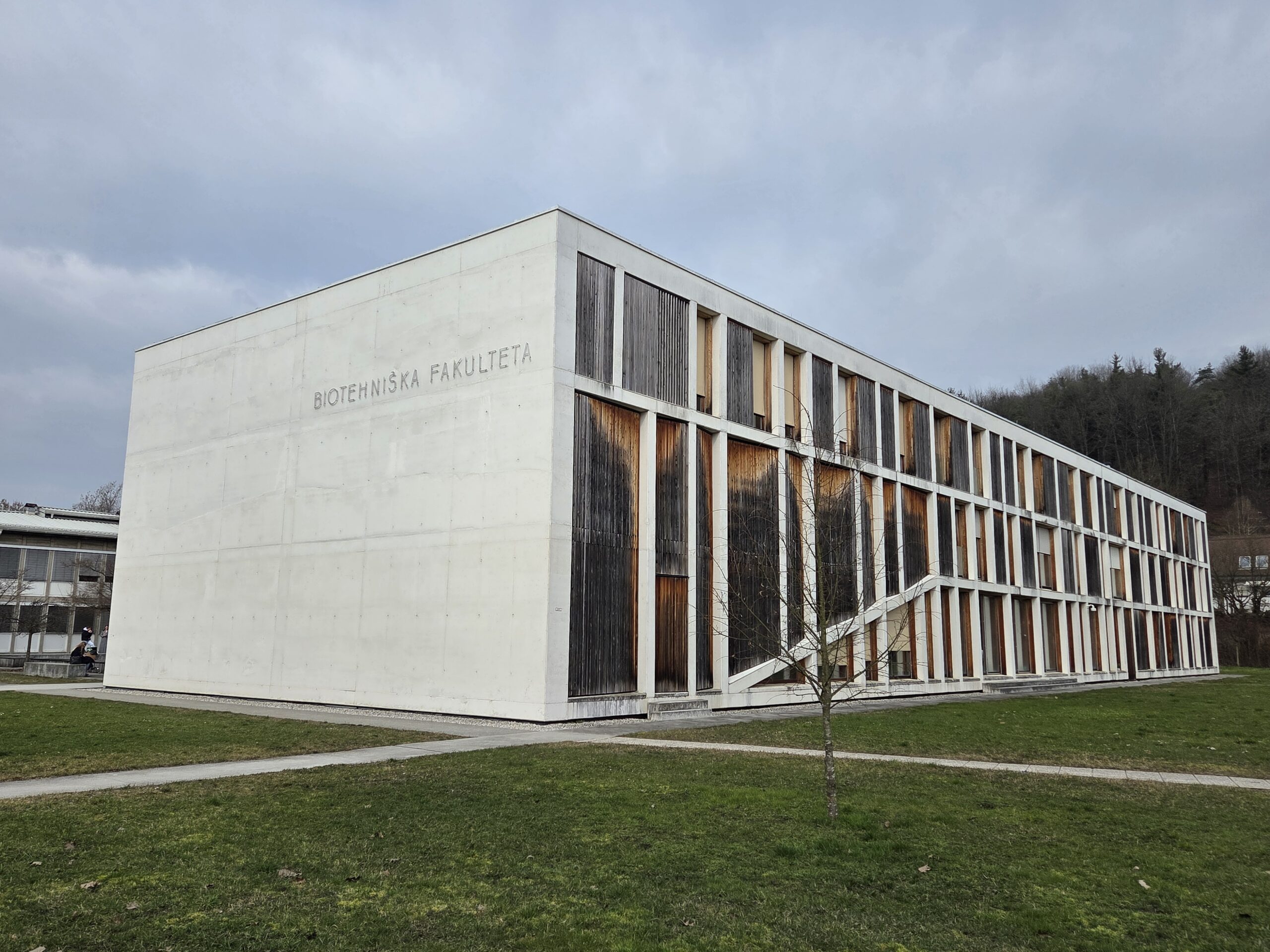
The University of Ljubljana is the oldest and largest higher education and scientific research institution in Slovenia, founded in 1919. Today, it is attended by around 40,000 students and employs more than 6,000 teachers, researchers, assistants, and professional and administrative staff at 23 faculties and three art academies. The Biotechnical Faculty represents a highly relevant environment as a case study within the university, as it combines teaching, research and applied activities closely linked to biological processes, food systems and environmental sciences. With laboratories, teaching facilities, offices, green areas and catering services, the faculty generates diverse bio-waste streams, including food waste and green waste
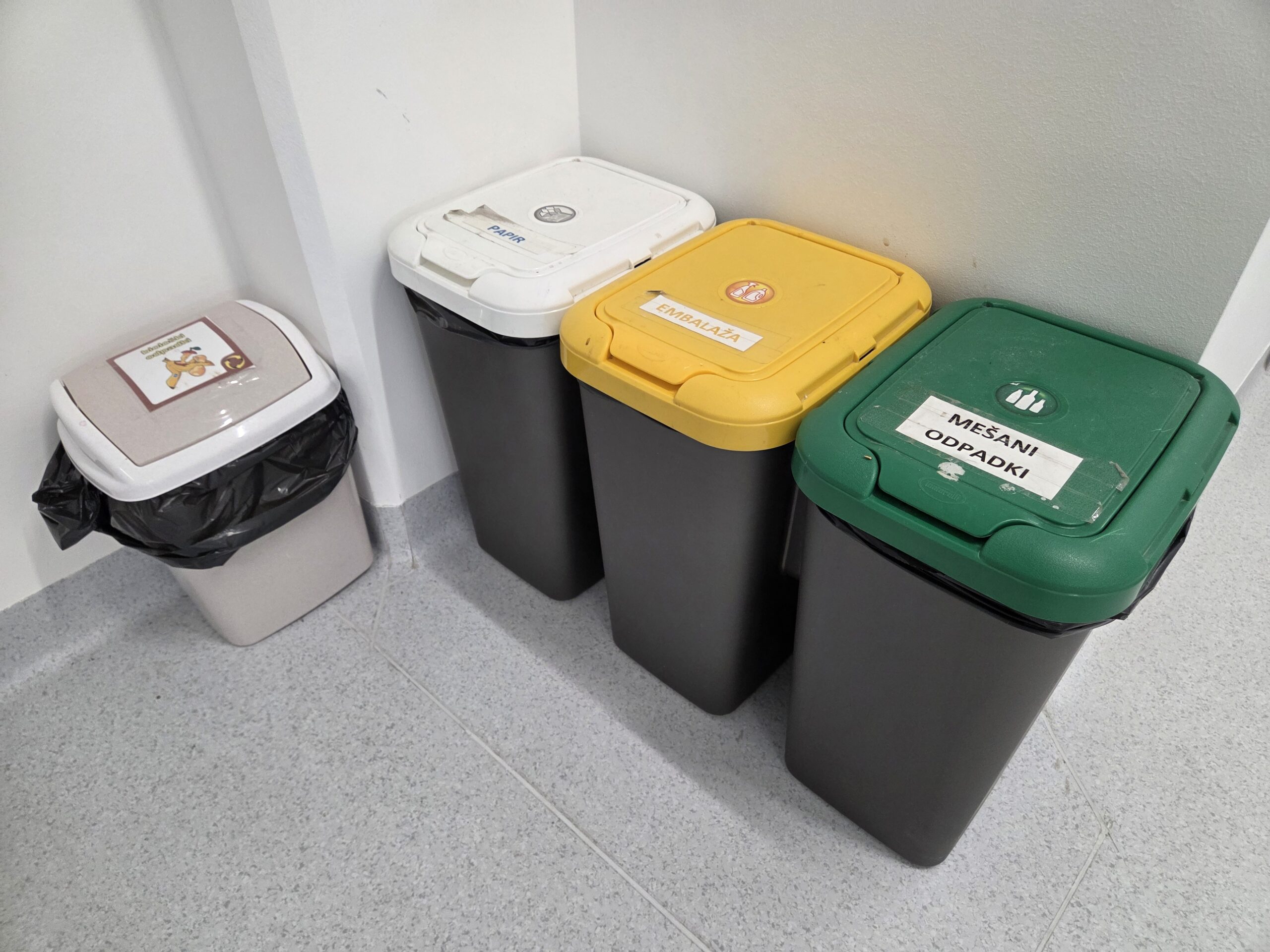
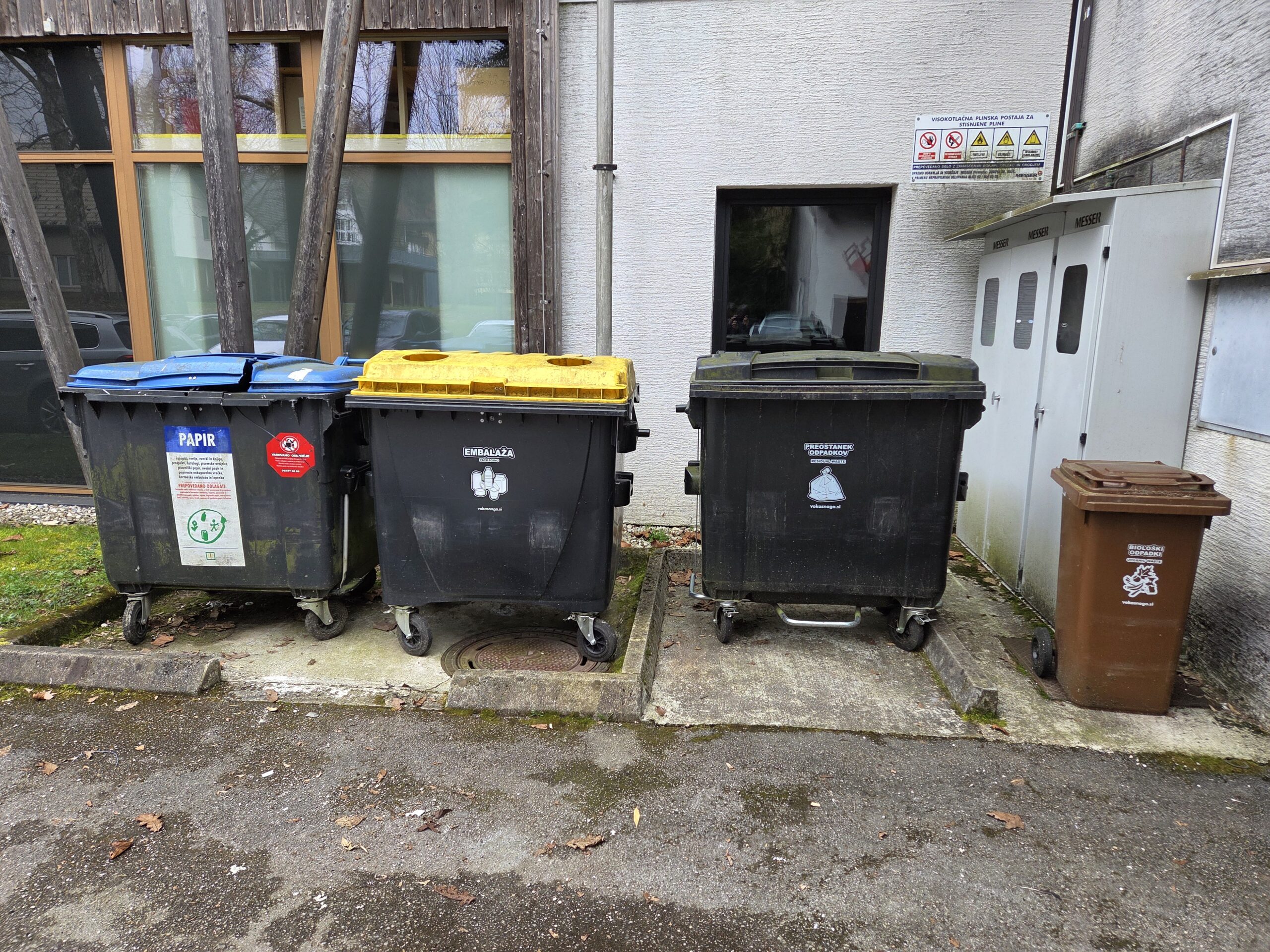
Separate bio-waste collection is already implemented within the university, in line with national and European circular economy policies. However, challenges remain in terms of increasing the quantity of bio-waste collected separately and improving the quality of the collected material, especially regarding contamination levels. Current collection schemes are mainly based on bringing collection systems across the campus, with varying levels of efficiency depending on building type and user behaviour.
Within this context, the CirBioWaste project will work closely with the Slovenian University to identify targeted measures aimed at improving the quality of bio-waste collection by strengthening awareness-raising.