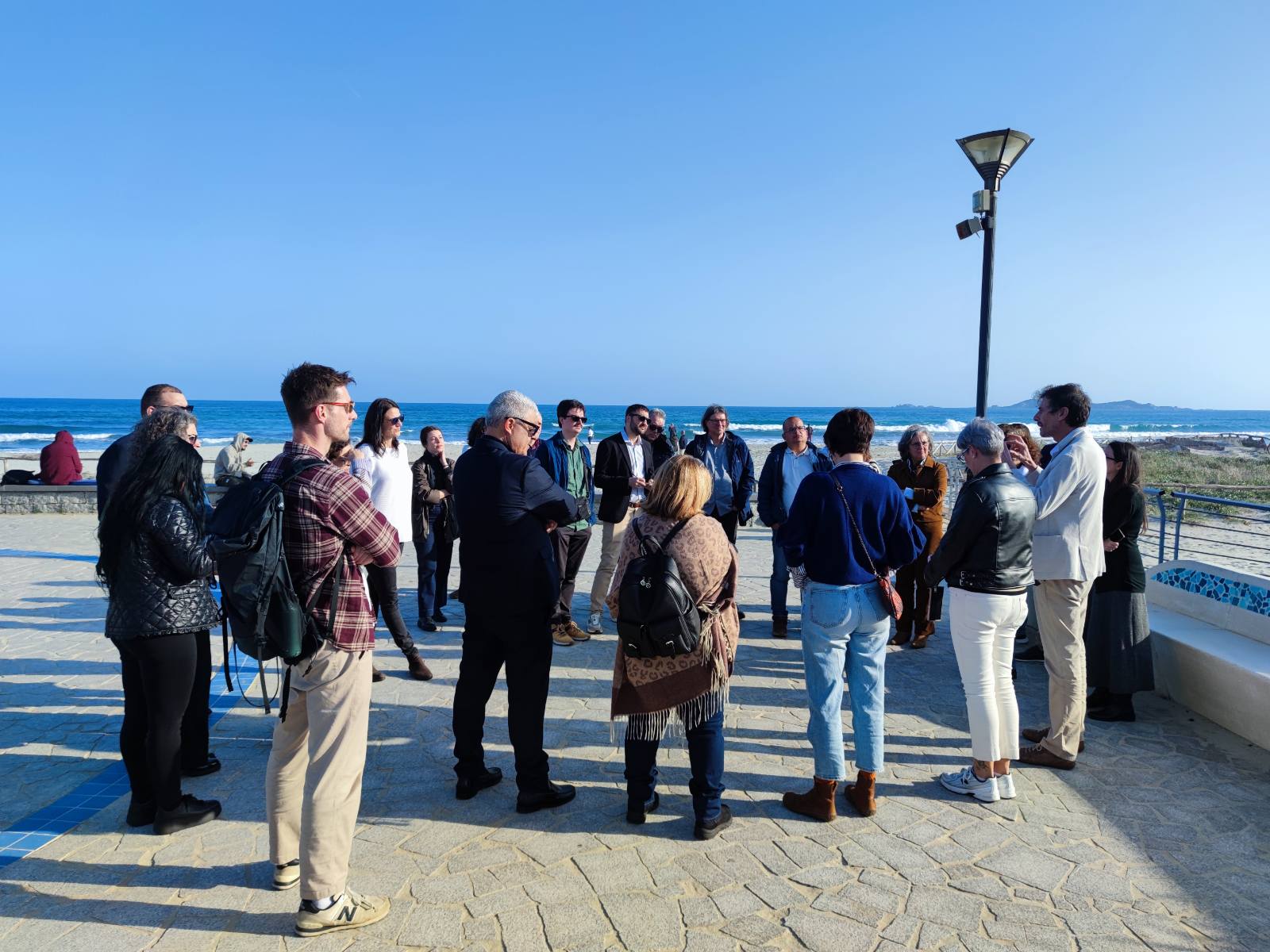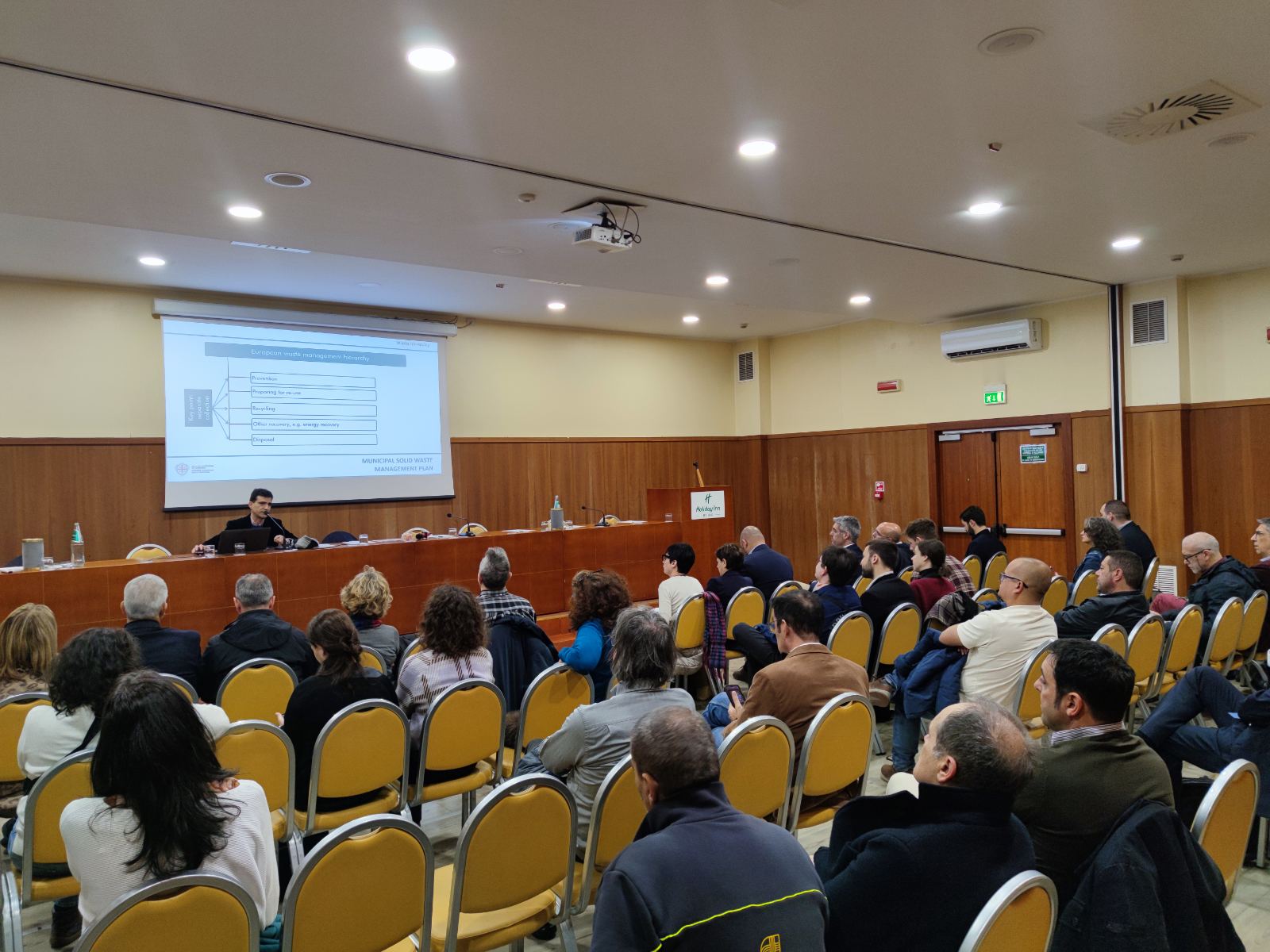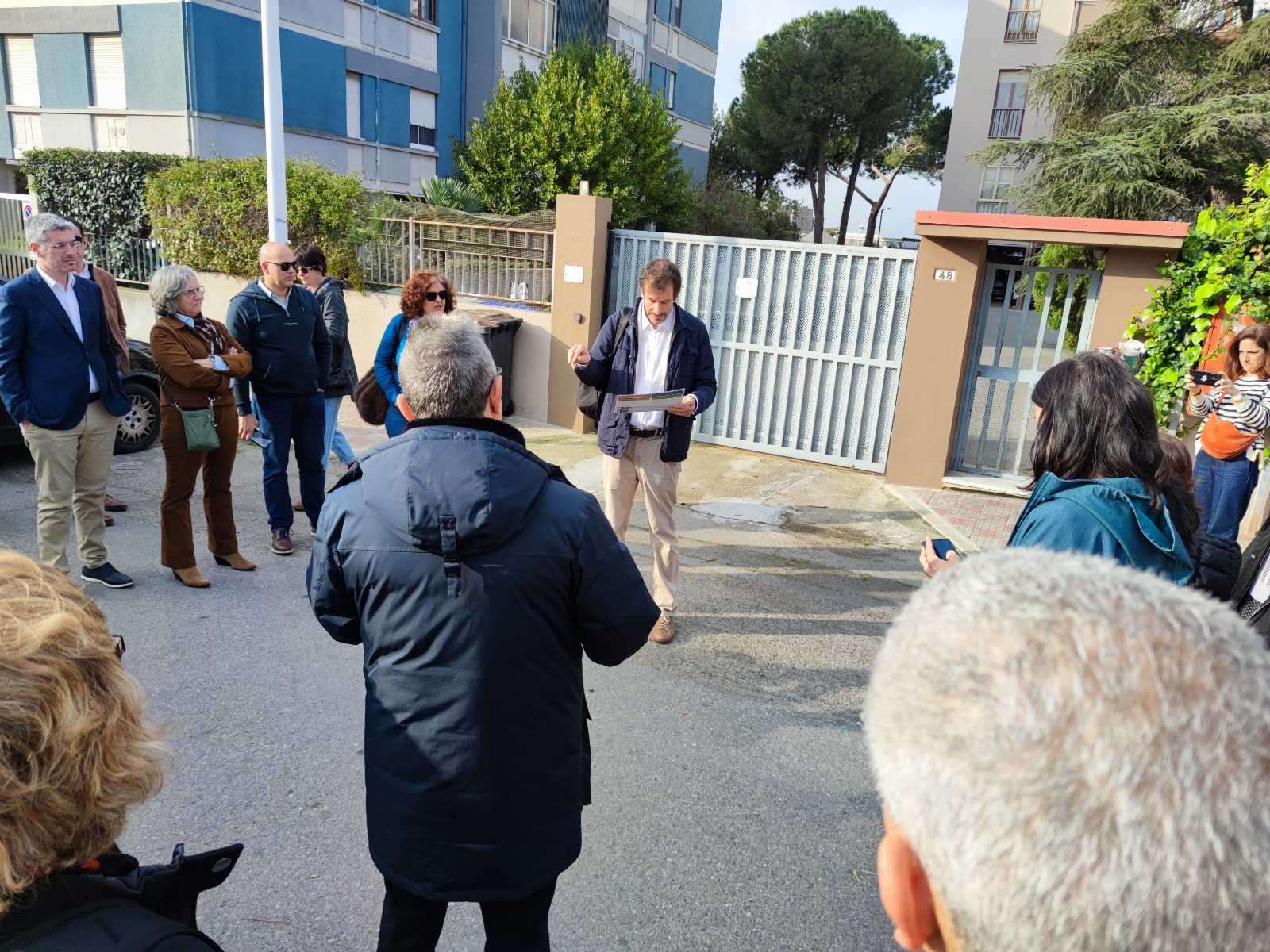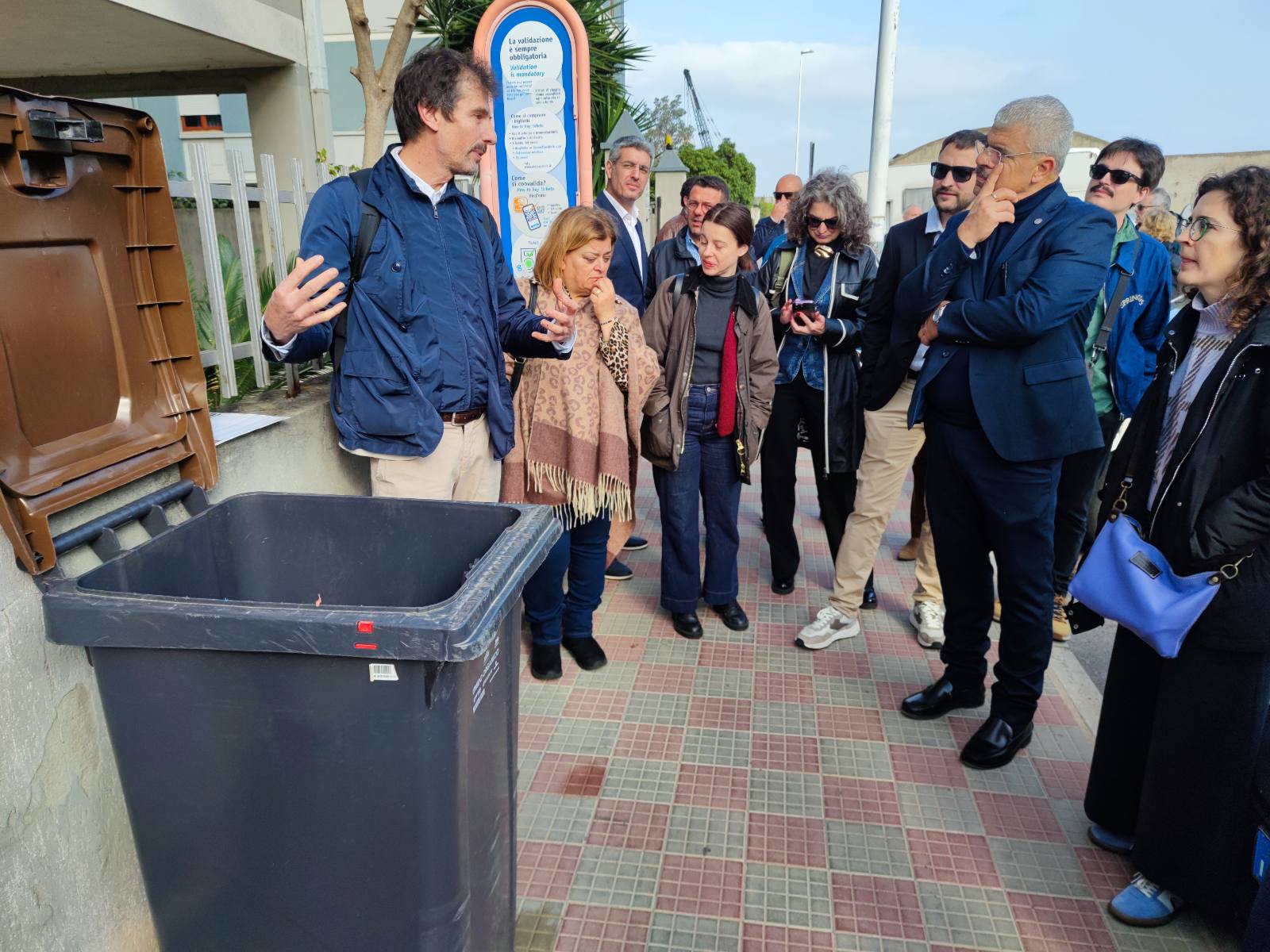

The Study Tour “Models for a proficient bio-waste management – the case of Sardinia”, organised within the CirBioWaste project (Fostering innovative and sustainable bio-waste management and circular bio-economy in the Mediterranean area), took place on 11-12 March 2026 in Sardinia, Italy. The event marked an important step in the project’s knowledge exchange activities, focusing on practical solutions and successful models in bio-waste management.
The study visit brought together representatives of municipalities, waste management organisations, research institutions, and project partners from across Europe. It provided an opportunity for sharing experience and exploring effective approaches supporting the transition to a circular bio-economy.
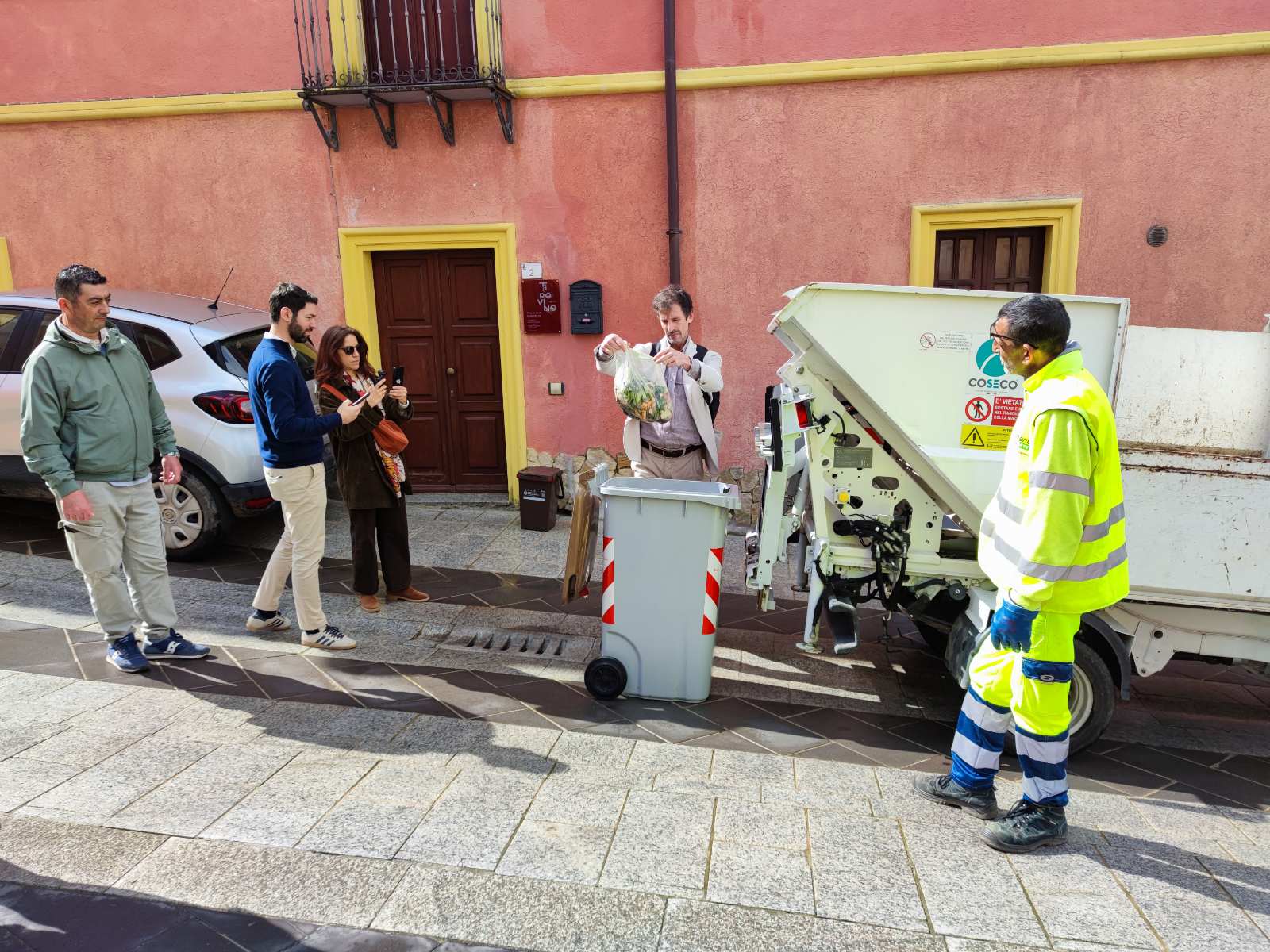
The event started with a visit to the city of Cagliari, where participants were introduced to the regional and local waste management model. Sardinia was presented as a leading example in Italy, having increased its separate collection rate from just 15% in the early 2000s to approximately 76% nowadays, thanks to strong political commitment and an effective “penalties and benefits” system for municipalities. Participants learned about the transition to a door-to-door collection system and the implementation of Pay-As-You-Throw (PAYT) schemes, which significantly improved waste’s separate collection and citizen engagement.
The first working day continued with a visit to Villasimius, a well-known tourist destination, where participants explored solutions tailored to areas with high seasonal population fluctuations. The municipality demonstrated how long-term implementation of door-to-door bio-waste collection, combined with accessible eco-centres and awareness measures, can achieve outstanding results, with separate collection rates exceeding 80%.
The second day of the study tour focused on smaller and more rural contexts. In Teulada, participants examined how effective waste collection systems can be adapted to geographically dispersed territories with low population density and challenging logistics. Despite these constraints, the municipality has maintained high separate collection rates above 70%, demonstrating the importance of context-specific approaches and local commitment.
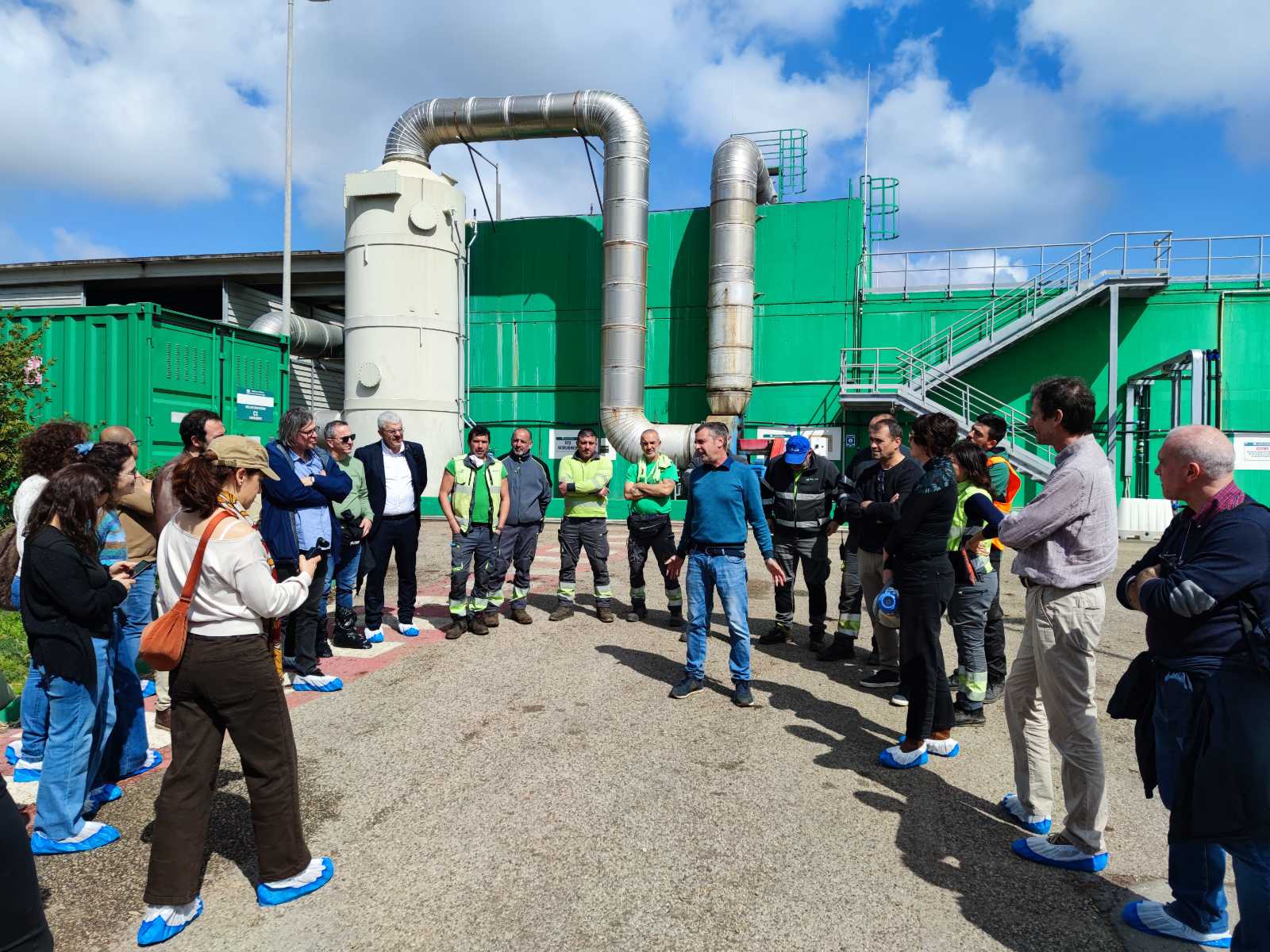
An important highlight of the visit was the tour of the Carbonia – Verde Vita Composting Plant. Participants observed the full bio-waste treatment cycle, from the reception of organic waste to the production of high-quality compost used in local agriculture.
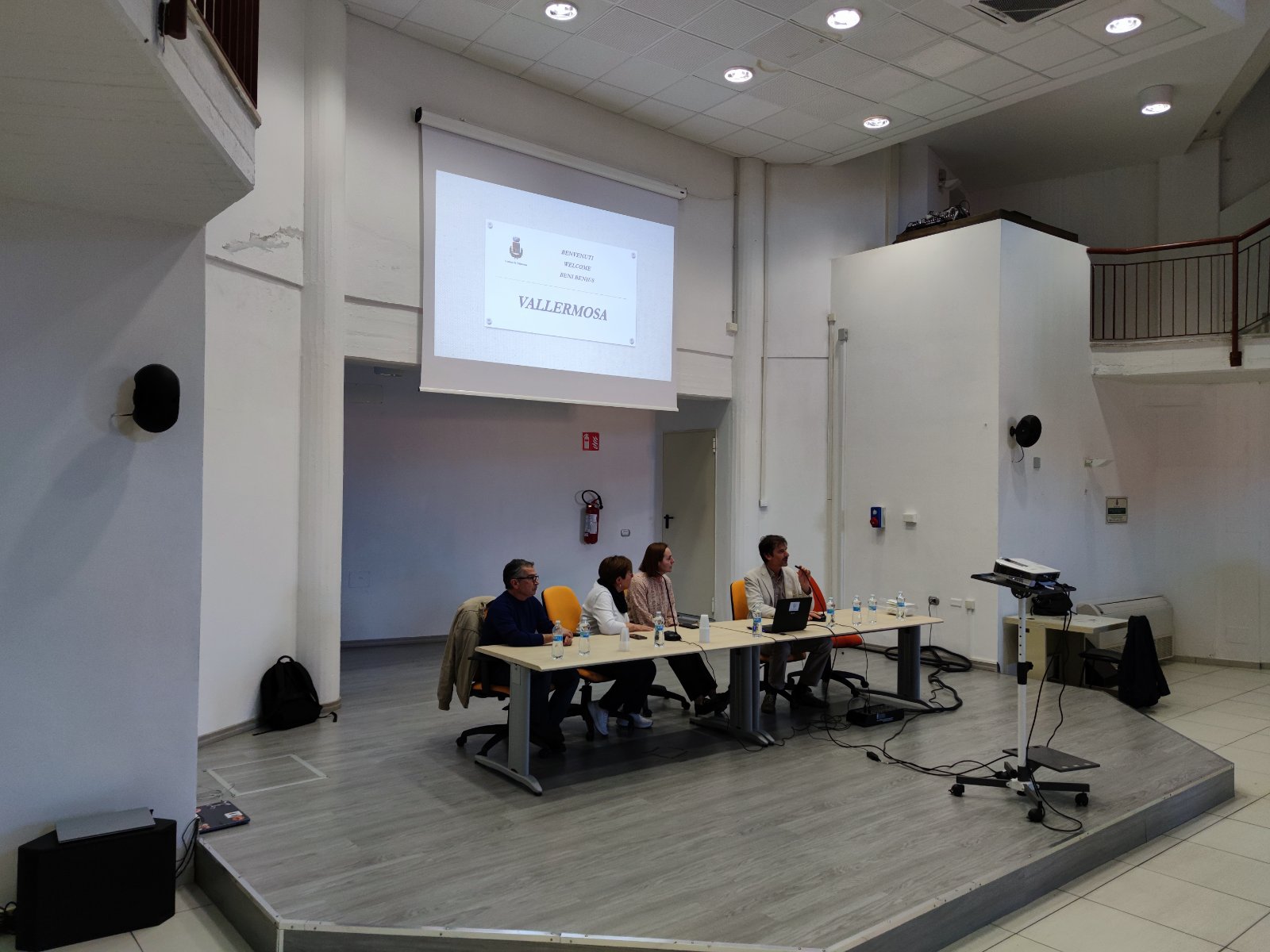
The study tour concluded in Vallermosa, a small municipality that implemented door-to-door collection more than 15 years ago. Participants had the opportunity to meet local representatives and learn about the long-term vision and commitment that enabled the municipality to maintain strong performance over time.
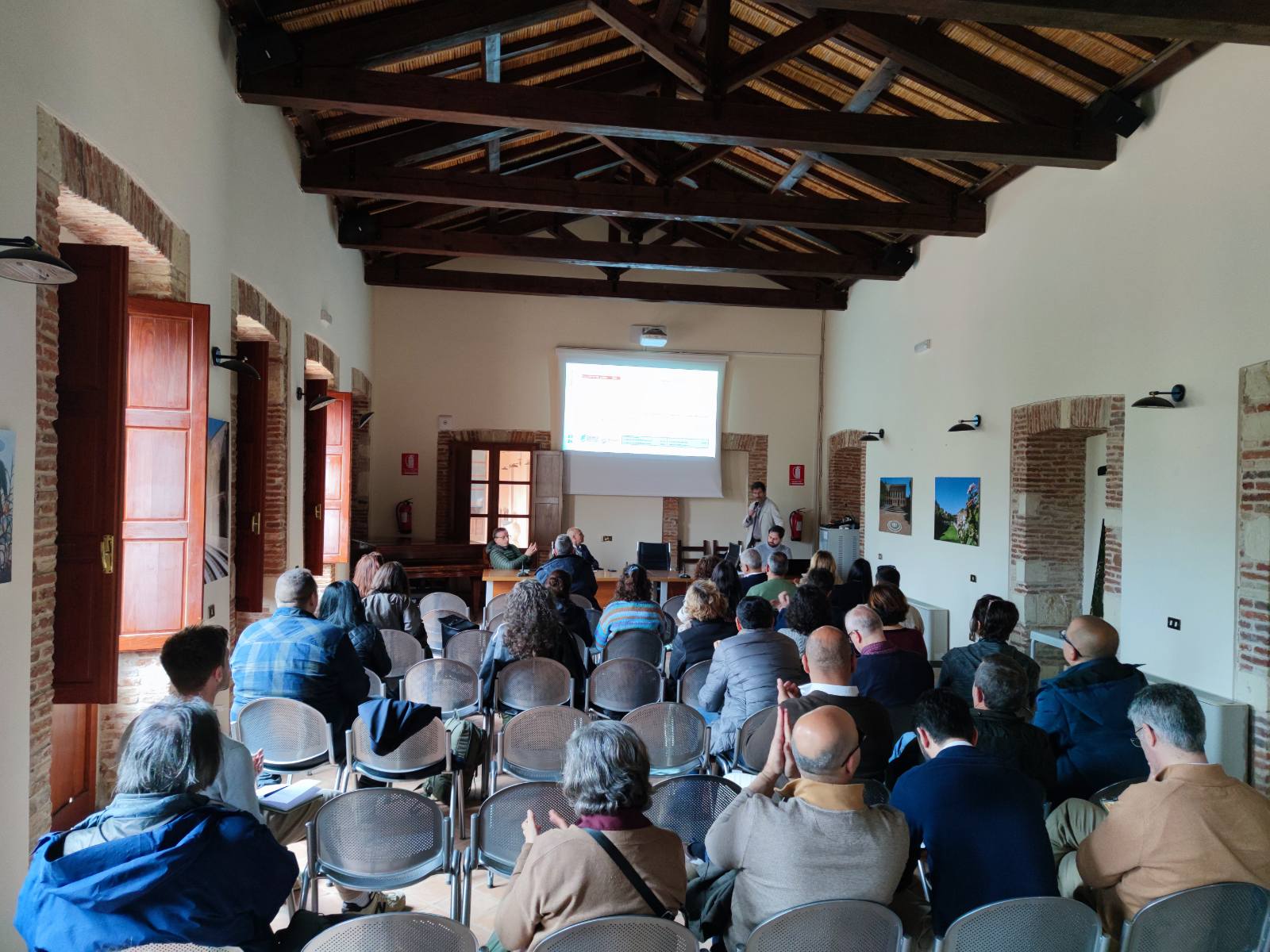
Throughout the study tour, participants engaged in discussions on operational, technical, and bio-waste management aspects, sharing experiences and identifying common challenges across regions. The exchange of best practices highlighted the importance of tailored solutions, citizen participation, and integrated policy frameworks in achieving sustainability in the circular economy.
The event concluded with a discussion on key lessons learned and future opportunities within the CirBioWaste project. Participants emphasised the value of study visits as a practical learning tool and highlighted the importance of continued collaboration to improve bio-waste management systems and advance circular bio-economy practices across the Mediterranean region.