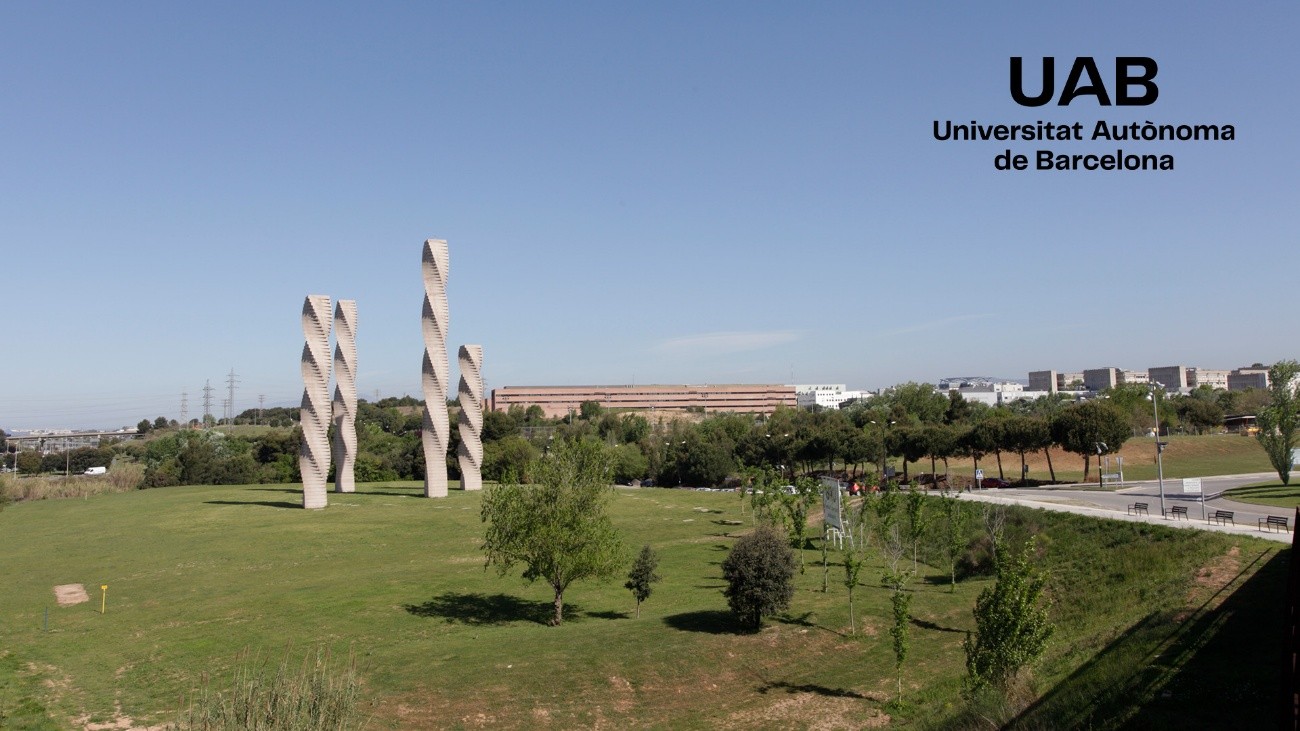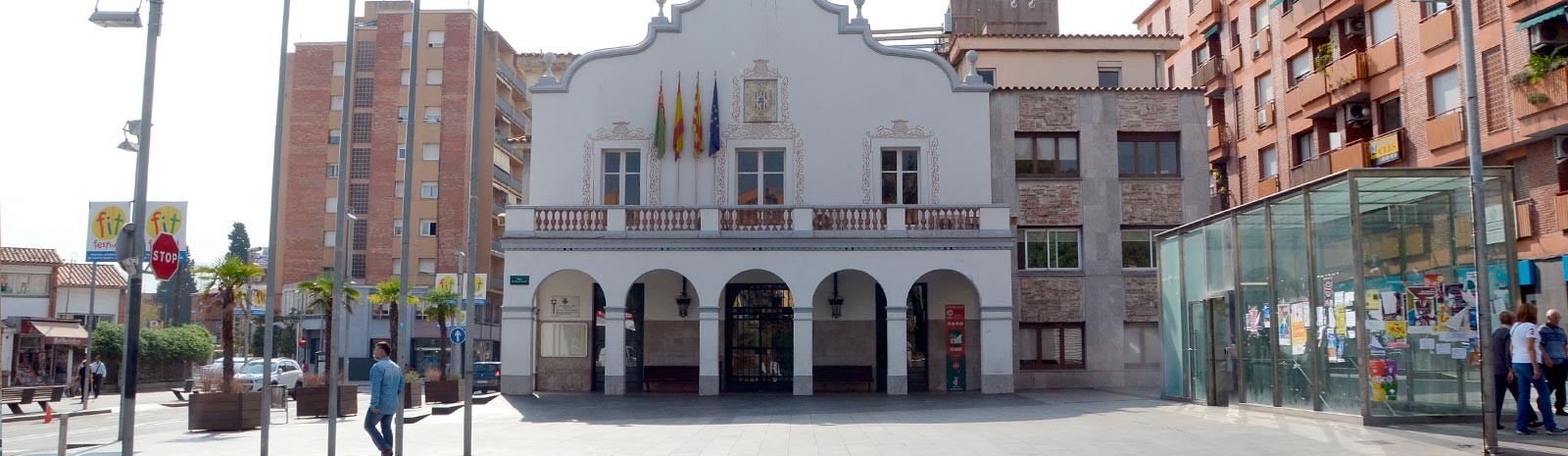

Located in the metropolitan area of Barcelona, Cerdanyola del Vallès is a dynamic municipality with approximately 58,300 inhabitants. The territory is also home to the Autonomous University of Barcelona (UAB), one of the largest academic campuses in Spain, with around 43,500 daily users including students, staff, and researchers. This unique combination of residential areas, commercial activity, and a major institutional hub makes Cerdanyola a particularly interesting case study for addressing complex waste management challenges.
Bio-waste collection in Cerdanyola began in the early 2000s and currently covers 100% of the population. Today, 39.2% of municipal solid waste is collected separately, with bio-waste, both food and green waste, representing 37% of the separately collected fraction. This corresponds to an average capture rate of approximately 52 kilograms of food waste per capita per year. The current collection system is mainly based on open road containers across the municipality, while door-to-door collection is implemented only in a specific neighborhood (Bellaterra).
Despite its long-standing experience in bio-waste collection, Cerdanyola faces important challenges. The quantity of the collected bio-waste has not increased in the past 10 years, and the quality remains a challenge, with impurity levels of around 15%. The CirBioWaste project will work closely with local authorities to incorporate specific quality-improvement measures into upcoming contracts with waste collection services, and reinforce communication actions, ensuring long-term progress. In addition, the project will address the need to improve collection schemes for commercial waste streams by proposing tailored solutions for singular large generators (based on door-to-door collection services).
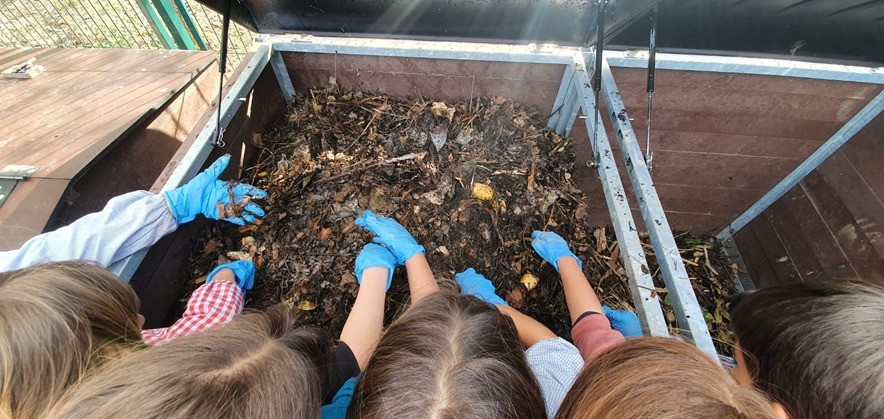
The project will also focus on the UAB, as a major bio-waste generator from multiple canteens, green areas, a student dorm and day-to-day campus life. Over recent years, the UAB has made continuous efforts to advance sustainability and circular economy practices across the campus. In this context, CircuLab, the university’s open innovation laboratory on circular economy and waste valorisation, plays a key role as a testing and demonstration space. CircuLab supports initiatives focused on prevention, reuse and recycling, while actively engaging students, staff and external stakeholders. Building on this experience, and in line with the Cerdanyola’s waste collection improvements, the project will also support in the evaluation of adapted bio-waste collection schemes for the UAB, including solutions based on locked bring collection points. The improved bio-waste practices in such an academic setting have strong educational and replicability potential beyond the campus.